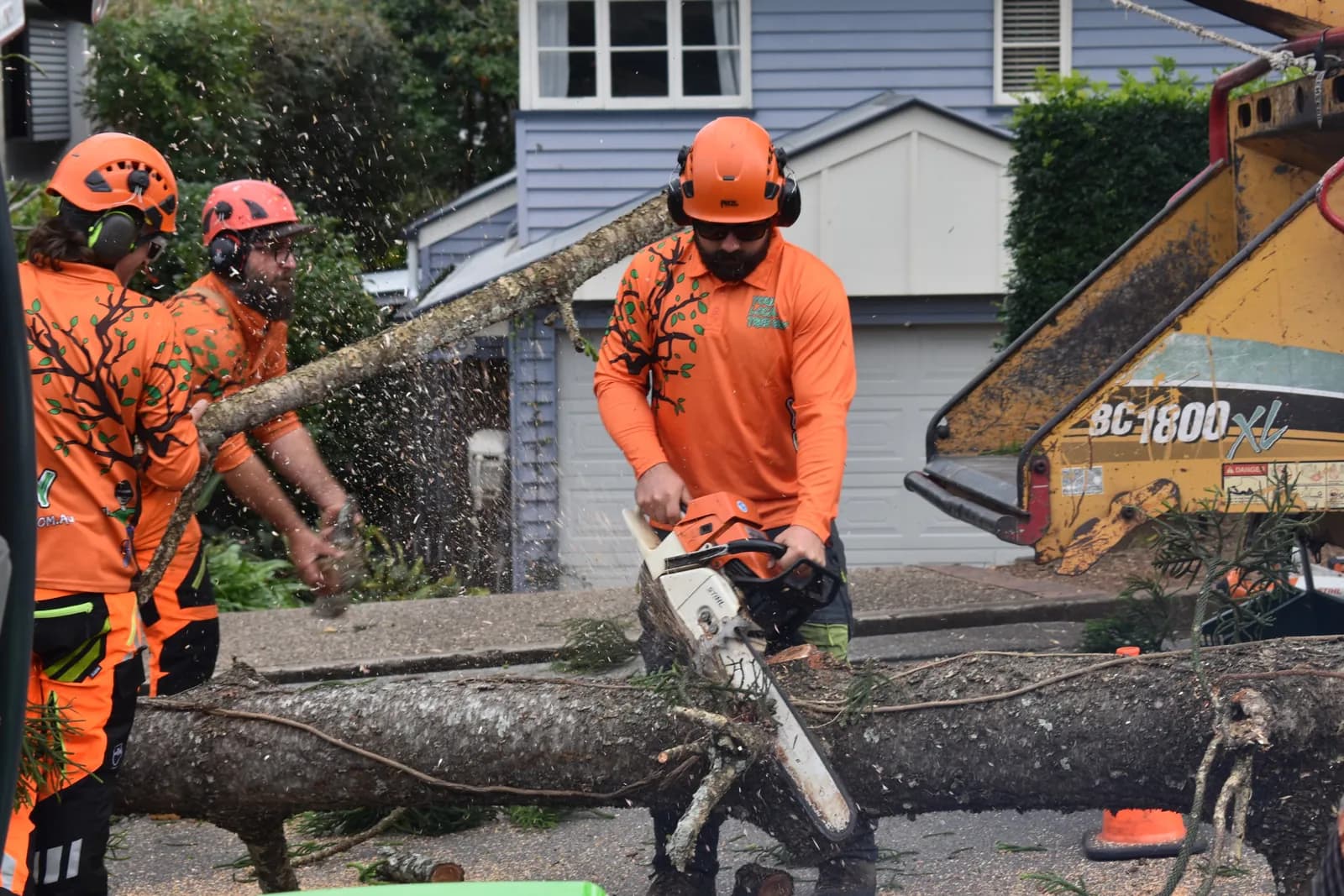
Tree Removal
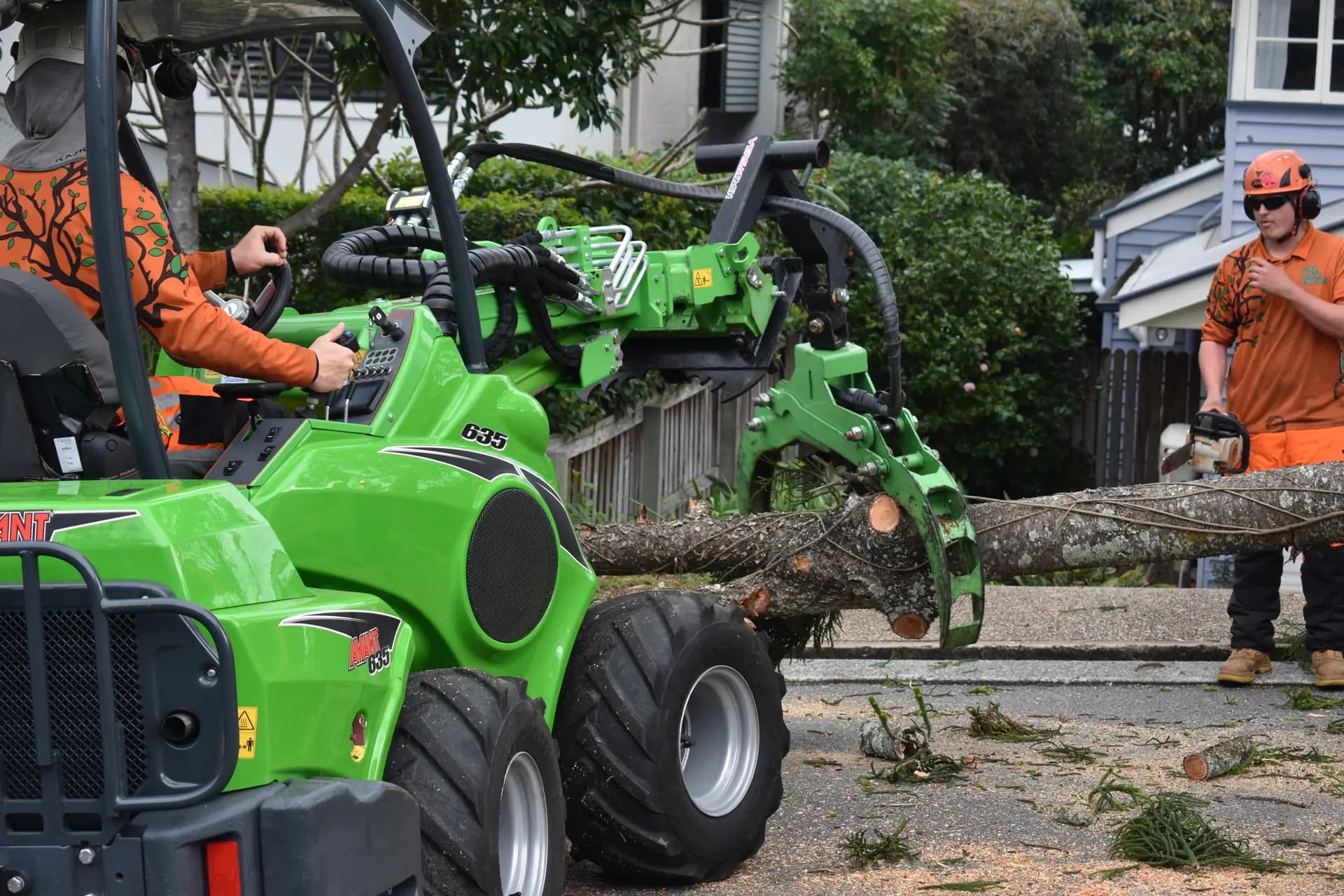
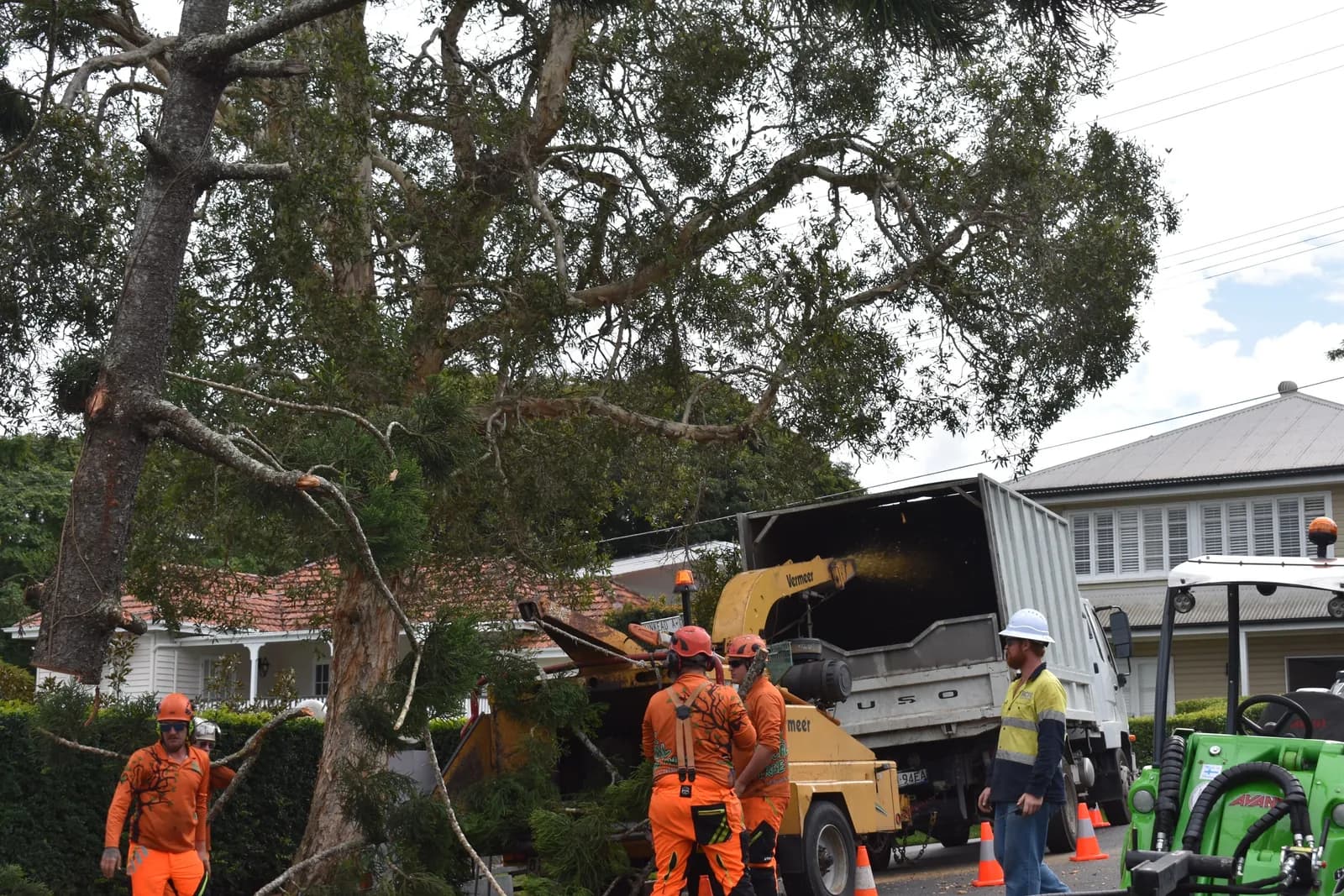
Clearing a block is rarely just knocking everything over. What has to go, what has to stay, what the approval says and what happens to the material are four separate decisions, and getting them in the right order is what keeps a site moving.
Talk to us before the application rather than after. It is the single cheapest point at which a tree problem can be solved.
Free quote
Tell us about the tree.
Three details and we’ll call you back — usually the same day.
No obligation. MON - SAT 6am - 5pm
The vegetation on a block is rarely uniform. There will be trees that have to go, trees the approval requires you to keep, understorey that can be mulched, and usually something protected that nobody noticed at feasibility. Scoping that properly before anything starts is what stops the expensive surprises — and what has to be retained shapes the access route for everything else.
What we scope on a clearing job:
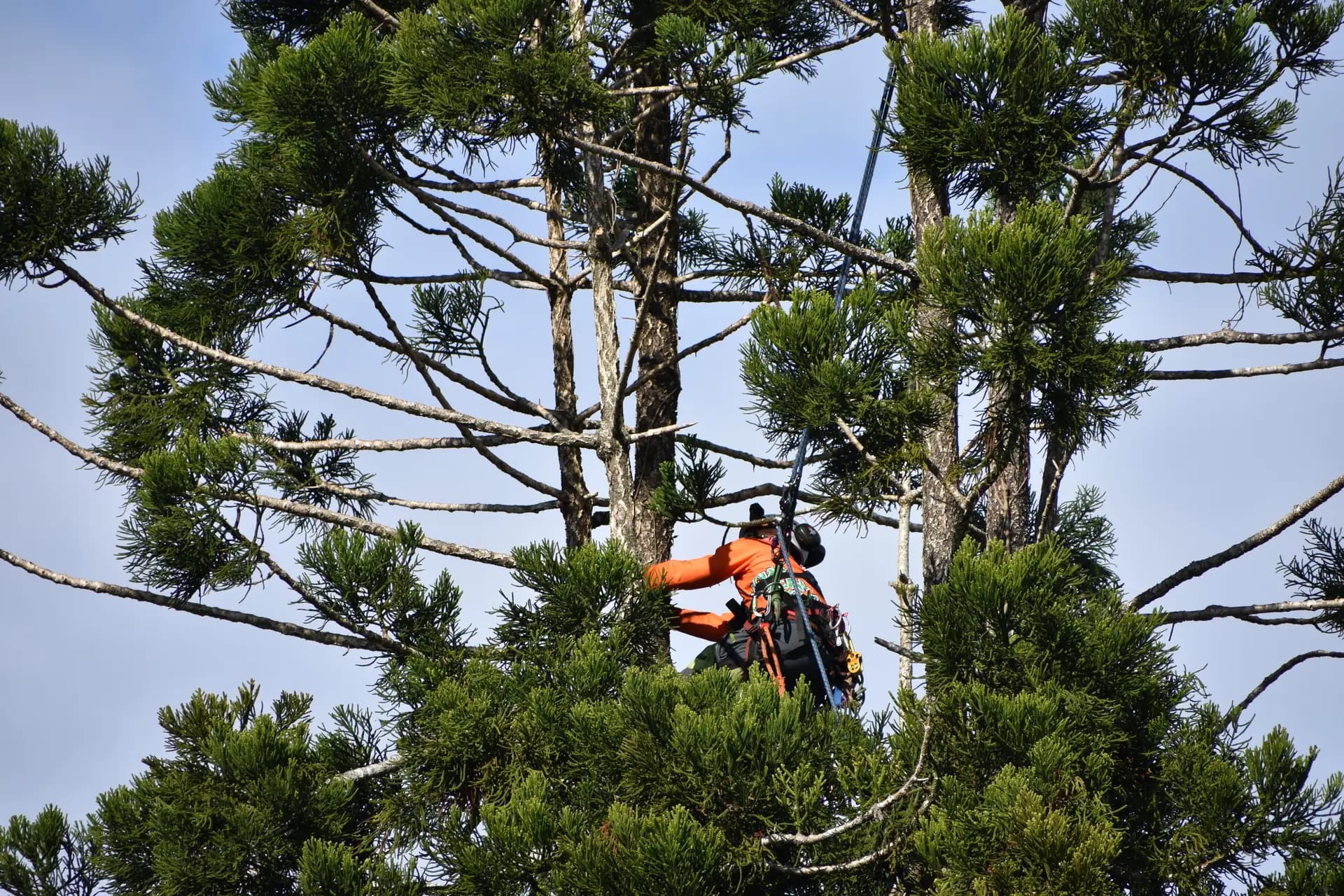
Before you start
Clearing is one of the few jobs where the mistakes are effectively permanent. These are the four worth an hour up front.
What is protected
Both councils apply vegetation protections that catch far more than people expect, and clearing without approval carries real penalties. This gets checked first, not last.
What the approval requires you to retain
Development approvals frequently name trees that must stay. Damaging one during clearing is a compliance problem, not just a dead tree.
Where the machinery can go
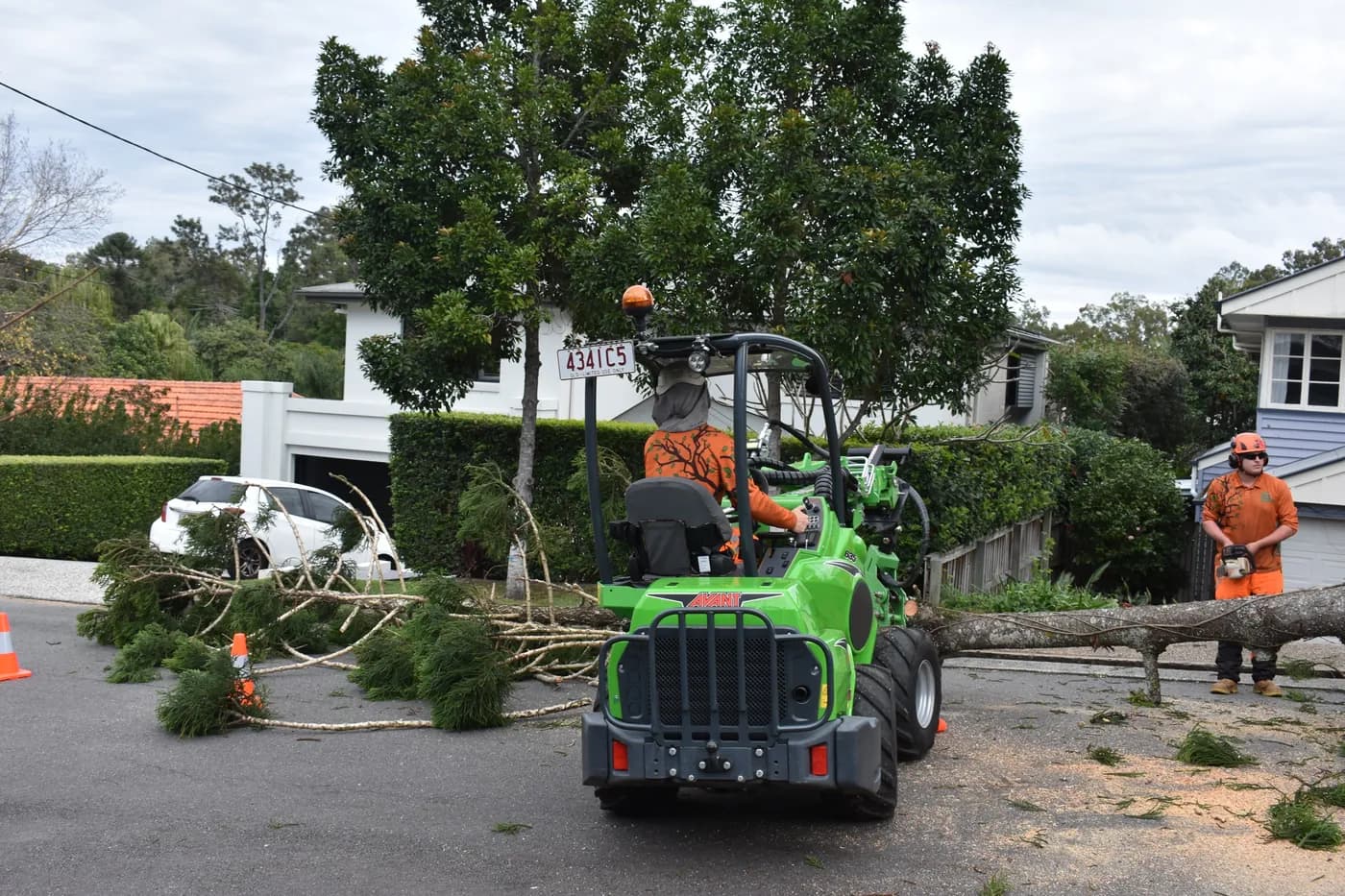
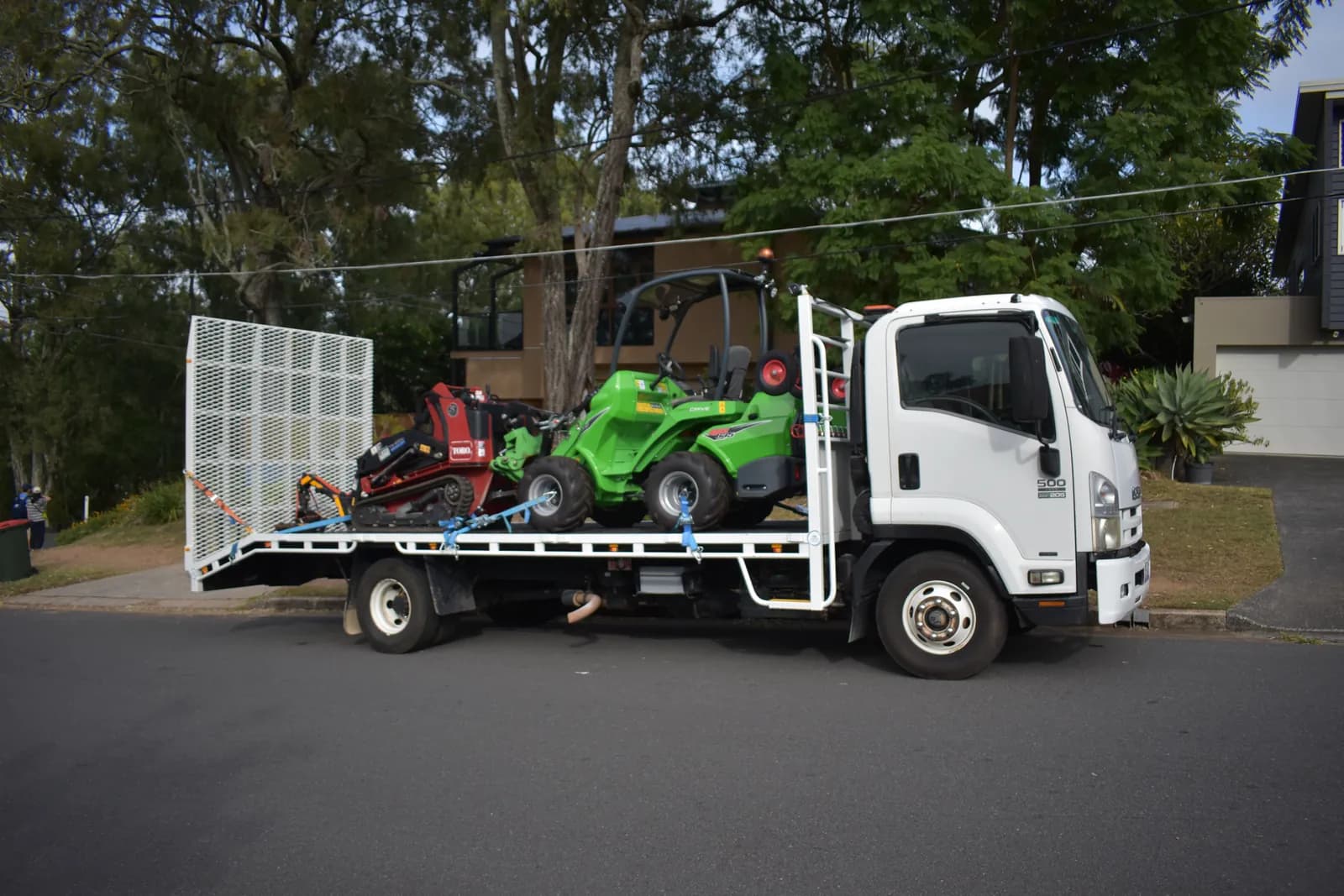
Access dictates the method. A block a truck can drive onto and a block reached through a neighbouring easement are different jobs at the same area.
What happens to the material
Mulched and left on site, stockpiled, milled or carted away. It changes the cost more than most people expect, so it is worth deciding early.
Free quote
Tell us the size, the access and what the approval says.
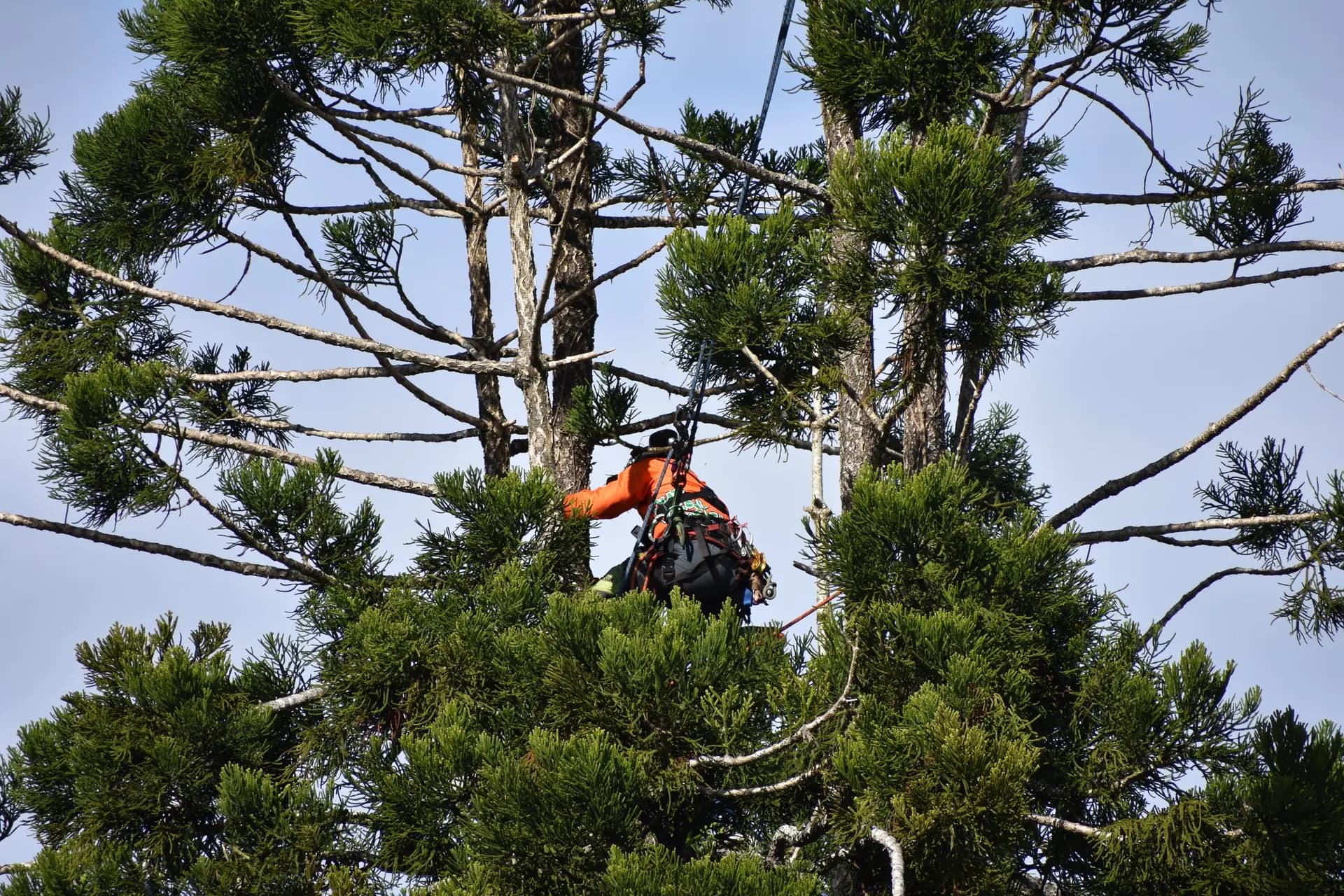
Retained vegetation is where clearing jobs go wrong. Machinery over a root zone, fill against a trunk, a trench through the roots — the tree usually survives the works and dies two years later, by which time it is a replacement, a report and an awkward conversation with the assessing officer. Setting protection zones before anything moves is cheap. Fixing it afterwards is not.
Questions
Very possibly. Both Brisbane City Council and Moreton Bay Council apply vegetation protections, and the Moreton Bay habitat tree rule catches any native over 800mm through the trunk wherever it stands. Settle this before anything is cleared — our council pages set out where each one stands.
Mulched on site, stockpiled, or carted away, depending on what you want and what the site allows. Mulching on site is usually the cheapest option where there is somewhere to put it.
On what is actually there and how we can get to it rather than purely on area — the density of the vegetation, the size of the trees and the access all move it more than hectares do. There is more on our land clearing cost page.
Yes, and it is worth planning that from the start. Retained trees need their protection zones established before machinery arrives.
Customer reviews
Where we work
Most of this work sits at the northern end of our patch — Caboolture, Burpengary, Narangba and the acreage country around them, where the blocks are big enough for clearing to be a real job. We also work development sites through the inner suburbs where the constraint is access rather than area.
Quick estimate
Your local, affordable tree care experts. Request a free quote today.
Free quote
Tell us about the tree.
Three details and we’ll call you back — usually the same day.
No obligation. MON - SAT 6am - 5pm