Arborist Reports
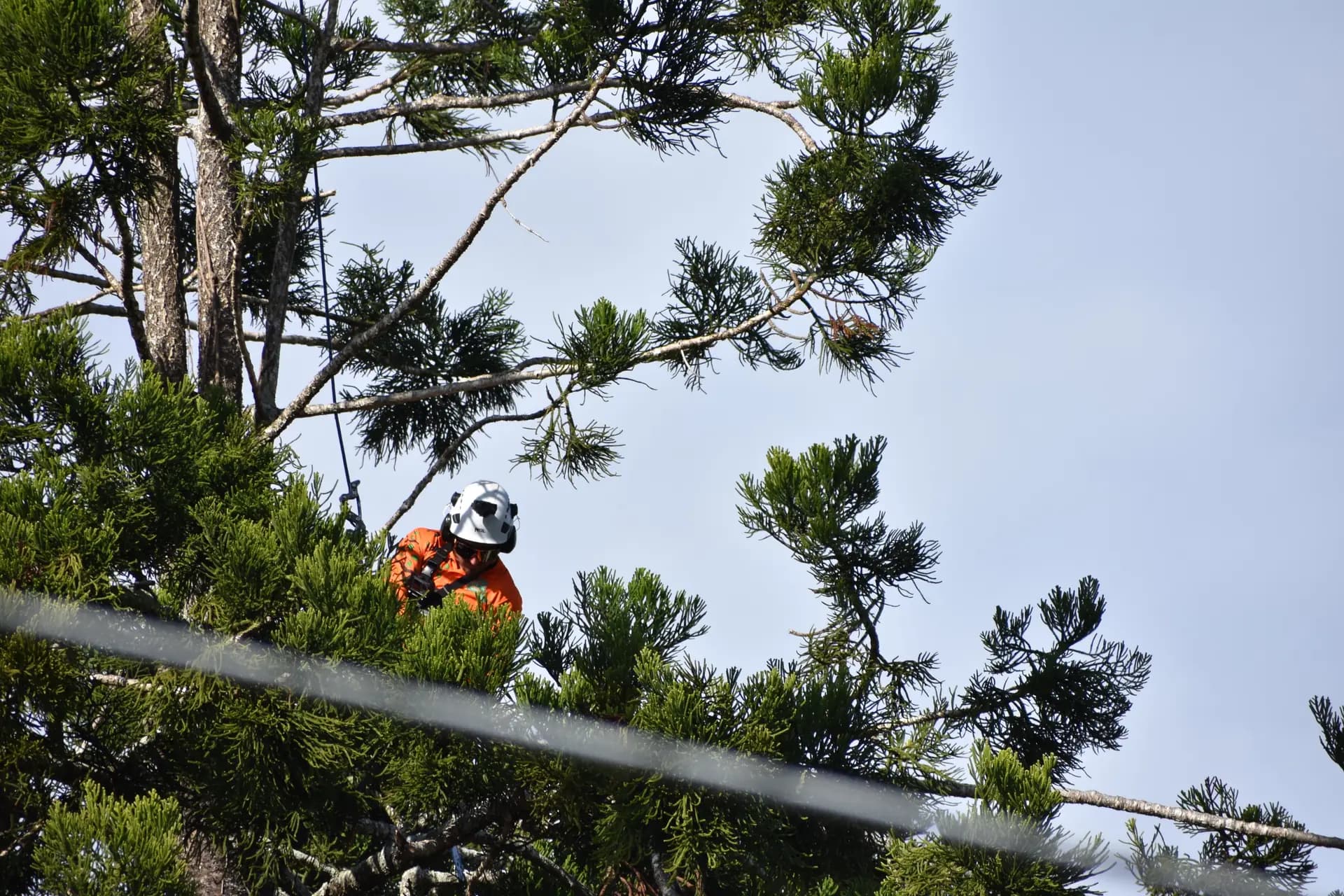
A tree risk assessment answers a narrow question properly: how likely is this tree to fail, what would it hit if it did, and how bad would that be. Those three things together are what risk actually means, and separating them is what stops the answer being a guess.
The outcome is not always removal. Plenty of assessments end with pruning, a monitoring interval, or moving what sits underneath the tree.
Free quote
Tell us about the tree.
Three details and we’ll call you back — usually the same day.
No obligation. MON - SAT 6am - 5pm
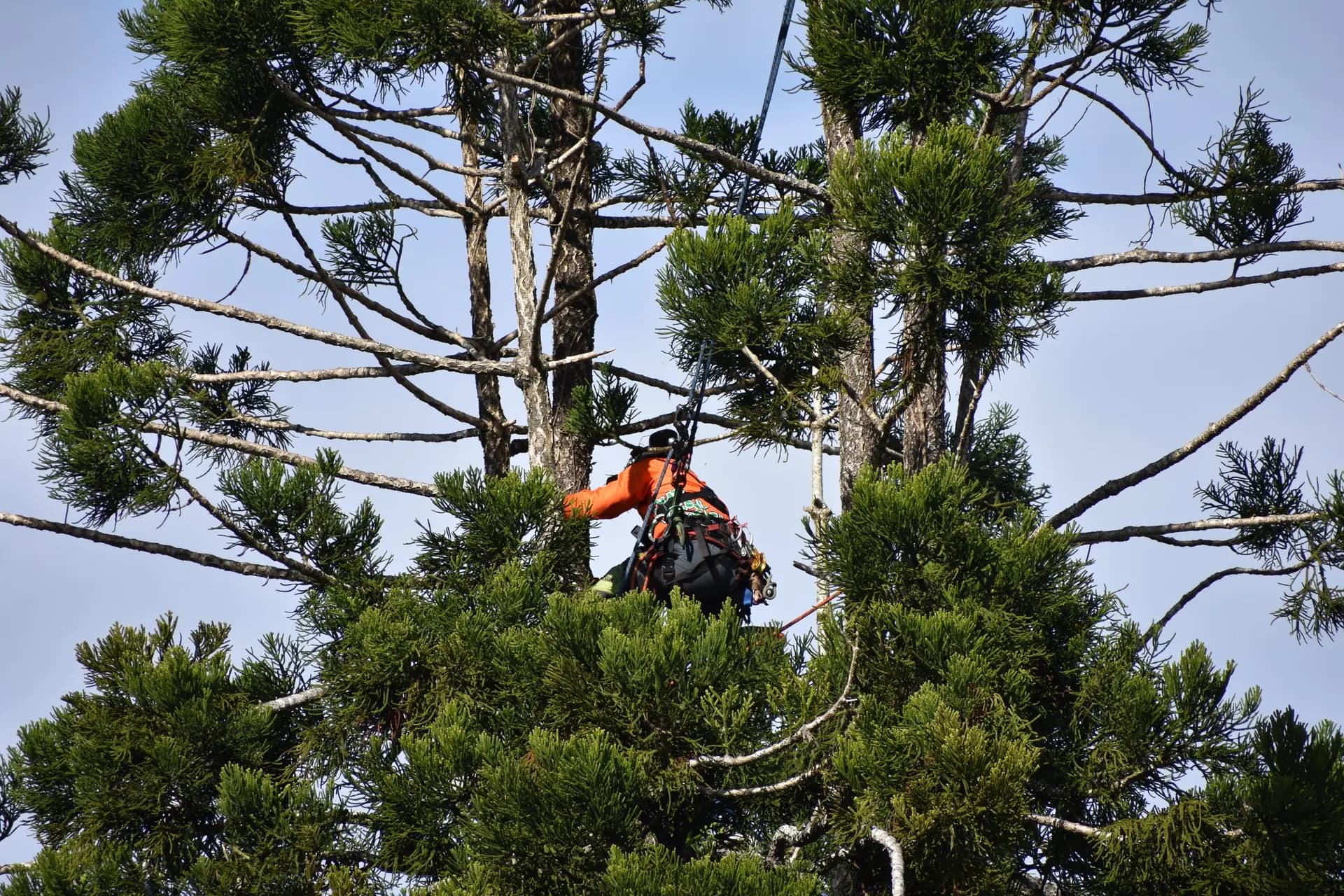
We inspect the tree from the ground and, where the structure warrants it, from within the canopy. We look at the root plate, the trunk, the major unions and the crown, and record defects with their location and extent. Then we work through what is beneath the tree and how often it is occupied — because the same defect over a shed and over a bedroom are not the same risk.
What we assess:
Who asks for one
It is the report to ask for when the question is safety rather than approval.
A body corporate or property manager
Anyone responsible for a site with trees on it and people underneath them generally wants a documented position on their condition.
After a nearby tree has failed
One failure in a street is a good reason to look properly at the others, particularly where they are the same age and species.
A tree you are uneasy about
A lean that seems to have changed, a crack you have noticed, limbs coming down. Worth an assessment rather than watching it for another year.
Before a big event or works on site
Where people are about to be concentrated under trees, or machinery is about to work near their roots.
Free quote
Send us a photo and we will tell you whether it needs a proper look.
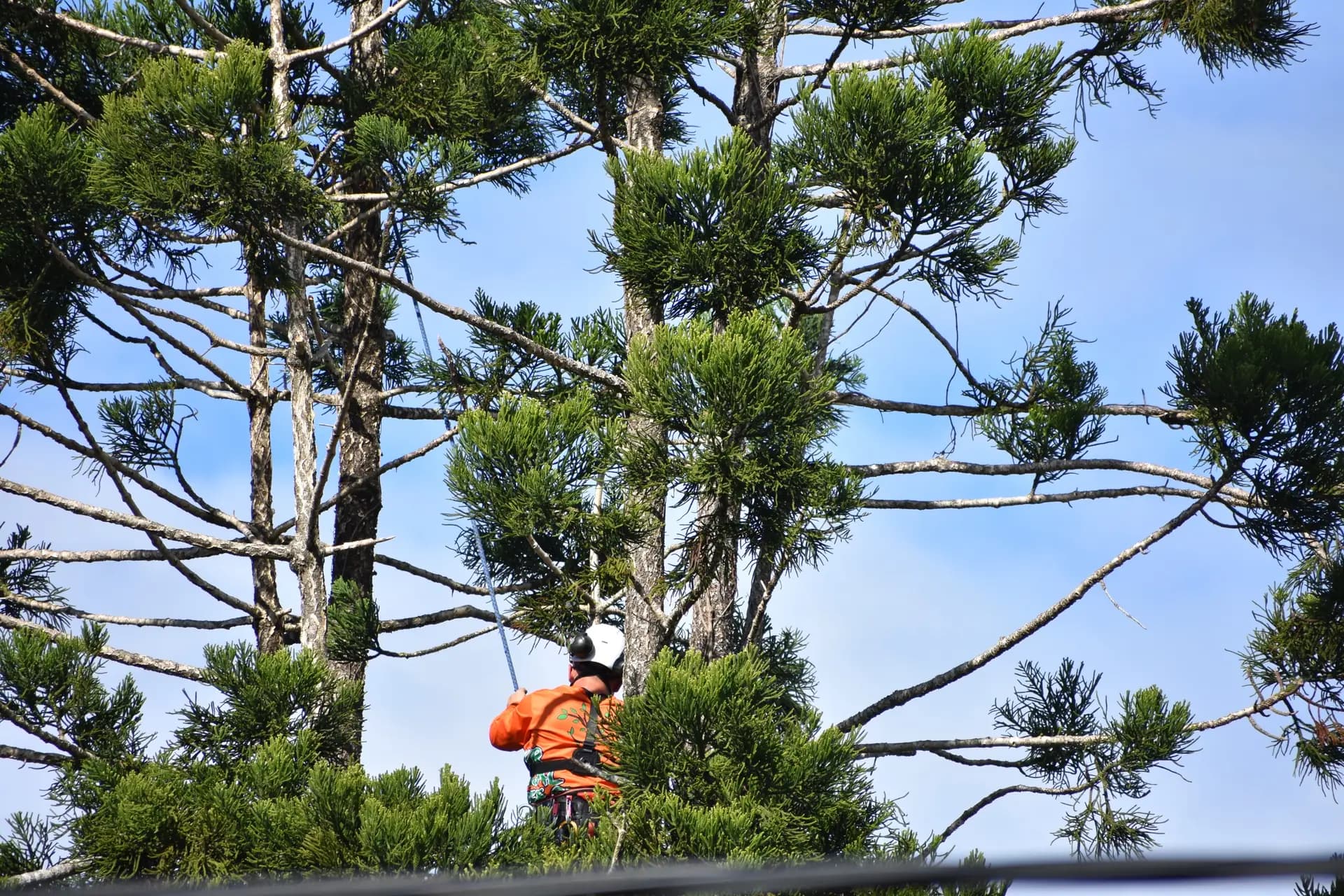
The instinct is that the biggest tree is the most dangerous one. Often it is not. A large, structurally sound tree over an unused corner of a paddock presents very little risk, while a modest tree with a decayed union over a driveway you park under twice a day presents rather a lot. Assessing likelihood and consequence separately is what produces a defensible answer instead of an impression, and it is why an assessment sometimes saves a tree that everyone had assumed was coming out.
Questions
A structured assessment of how likely a tree is to fail, what it would strike if it did, and how serious that would be. Taking those three separately is what makes the conclusion defensible rather than an opinion.
Only if that is the honest answer. A lot of assessments recommend pruning, reducing the crown, moving what sits underneath, or simply re-inspecting at a set interval. Removal is one possible outcome, not the default one.
Insurers often want evidence about a tree’s condition, particularly after a failure. It is worth asking them exactly what they need before commissioning anything so the report is scoped to answer it.
It depends on the tree, the site and what is underneath it — a monitoring interval is usually part of what the assessment recommends. Trees change, and so an assessment is a point in time rather than a permanent clearance.
Customer reviews
Where we work
We write reports across Brisbane’s northern and inner suburbs and up through the Moreton Bay region to Caboolture — the same area we do the tree work in. Knowing the local councils and how they assess an application matters as much as knowing the tree.
Quick estimate
Your local, affordable tree care experts. Request a free quote today.
Free quote
Tell us about the tree.
Three details and we’ll call you back — usually the same day.
No obligation. MON - SAT 6am - 5pm