Arborist Reports
A health assessment asks a different question to a risk assessment: not is this tree going to fail, but is it declining, why, and can it be turned around. In Brisbane the answer is frequently something happening at the roots rather than anything visible in the canopy.
A tree that looks finished after a dry summer is often perfectly recoverable. Knowing which is which is the point of the exercise.
Free quote
Tell us about the tree.
Three details and we’ll call you back — usually the same day.
No obligation. MON - SAT 6am - 5pm
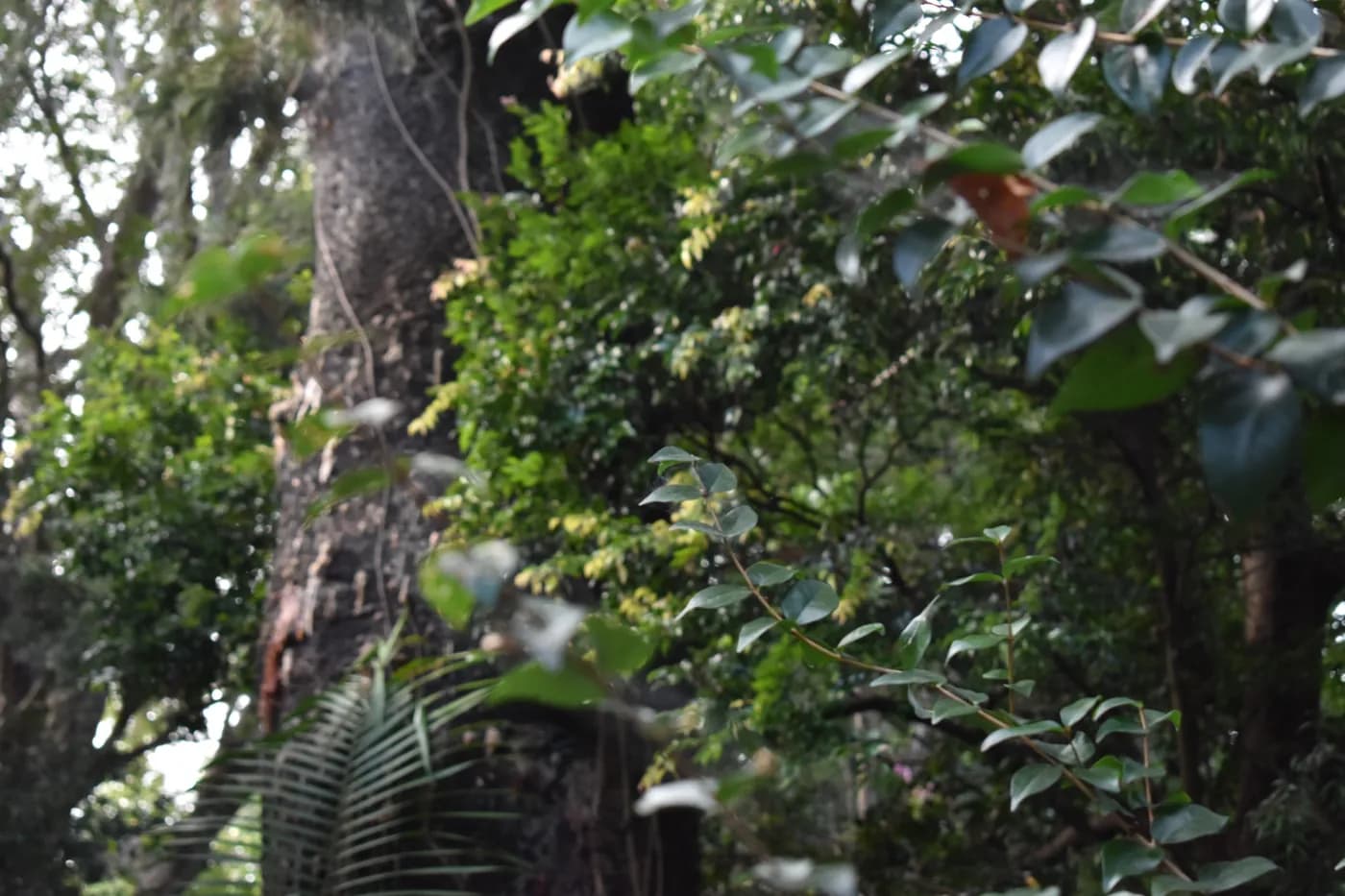
Decline usually shows in the canopy and starts underground. We look at leaf size, colour and density, at how much of the crown is producing new growth, and at deadwood distribution — then at the trunk, the root collar and the soil conditions around it. Compaction, changed drainage, fill over the root zone and trenching for services are the usual culprits, and all of them are things done to the tree rather than diseases it caught.
Common findings:
What prompts one
Trees decline slowly and then all at once. These are the early ones.
Thinning canopy
You can see more sky through it than you used to, or the leaf is noticeably smaller than on the same species nearby.
Dieback starting at the tips
Decline typically works inward from the ends of the branches, so the outer twigs go first.
Something changed around the base
New paving, a driveway, soil brought in, a trench for services. Trees often show the damage a year or two after the work.
Fungal growth at the root collar
Worth looking at properly, since what shows on the outside is usually well behind what is happening inside.
One tree failing in a healthy row
When one of a matched row goes backwards and the others do not, the cause is nearly always local to that tree.
Free quote
Worth checking before it becomes a removal.
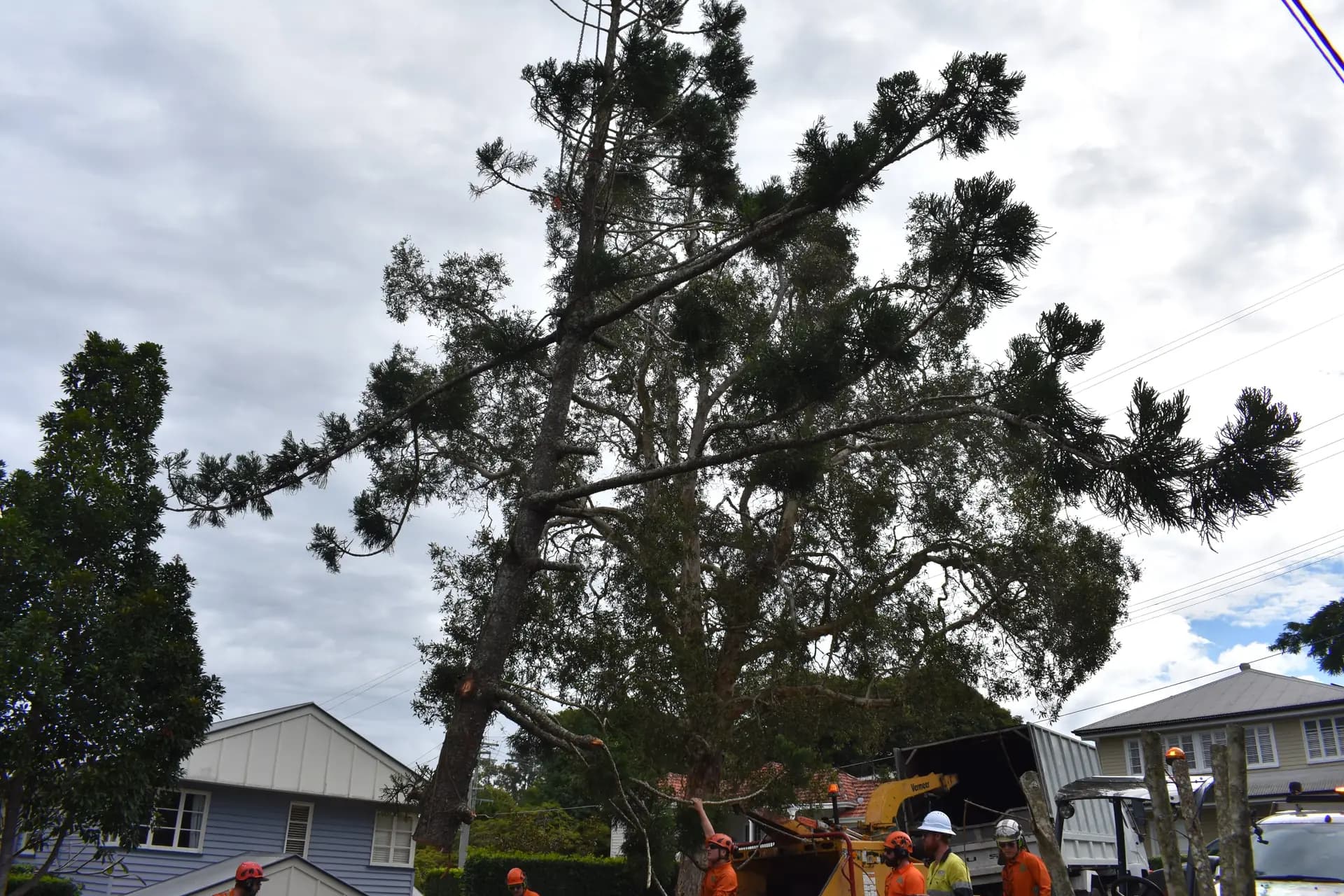
The reflex when a tree starts looking rough is to price a removal. Often that is premature. Where the cause is compaction, drainage or damage to the root zone, the tree will frequently come back once the cause is addressed — and a mature tree is worth considerably more to a property than a replacement sapling. Where it genuinely is finished, we will say so plainly, and the same assessment tells you how urgent removal is.
Questions
An inspection to work out whether a tree is in decline, what is causing it, and whether it can be reversed. It looks at the canopy, the trunk and the root zone together, since what shows up in the leaves usually starts underground.
Frequently, yes, if the cause is environmental rather than structural. Compaction, changed drainage and root damage are all things that can often be worked with. A tree that has lost its structural integrity is a different situation.
No. A health assessment asks whether the tree is declining and why. A risk assessment asks how likely it is to fail and what it would hit. They overlap, and sometimes you want both — we will tell you which one answers your question.
Keep the root zone clear and mulched, water deeply and infrequently in dry spells rather than lightly and often, and avoid driving or storing anything on it. Most of what damages urban trees is done at ground level.
Customer reviews
Where we work
We write reports across Brisbane’s northern and inner suburbs and up through the Moreton Bay region to Caboolture — the same area we do the tree work in. Knowing the local councils and how they assess an application matters as much as knowing the tree.
Quick estimate
Your local, affordable tree care experts. Request a free quote today.
Free quote
Tell us about the tree.
Three details and we’ll call you back — usually the same day.
No obligation. MON - SAT 6am - 5pm